
Case study - Finding value by looking beyond UI
- Product Sensei

- May 30, 2025
- 3 min read
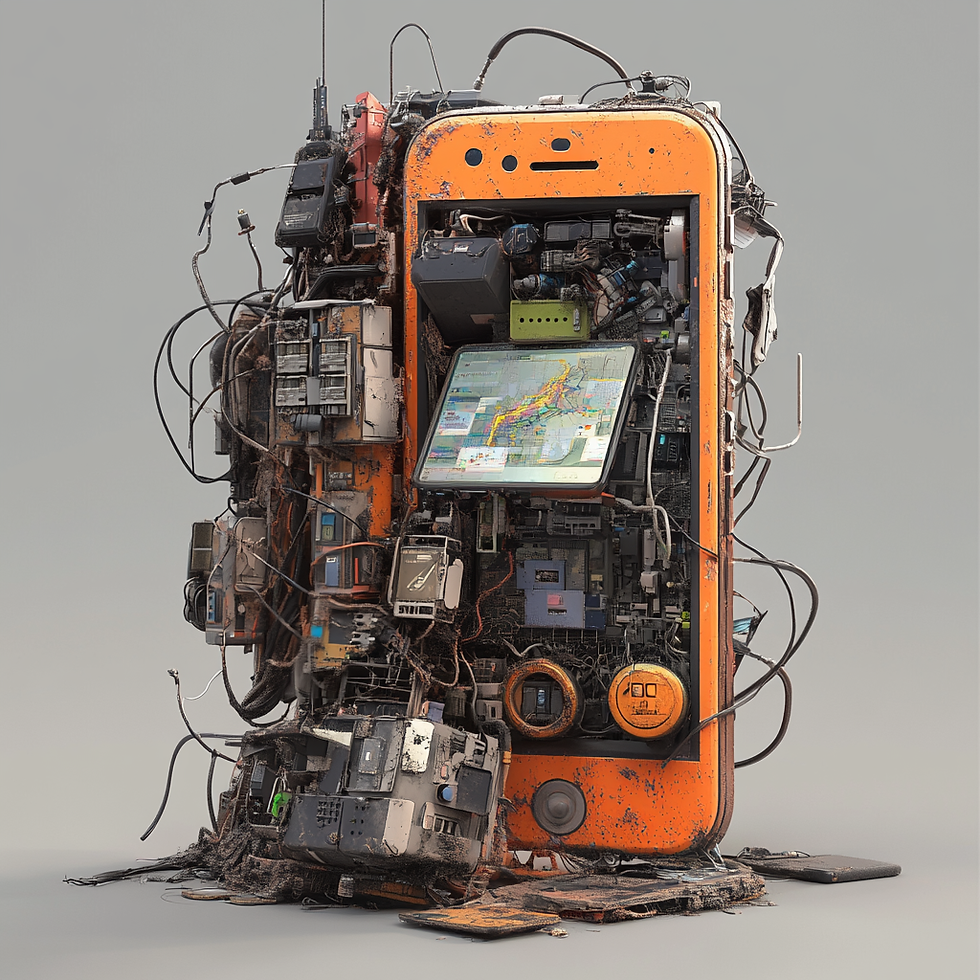
The below might seem like a complete ‘no-brainer’ but ask yourself, how many times have you experienced the de-prioritisation of valuable work in favour of less valuable design/UI changes?
Case Study: “The Value that Lies Beneath”
Imagine this: Improved Customer Experience by Rebuilding Data Infrastructure…
It is always a hard sell to prioritise tech debt or improvements to the infamous ‘back end’. In any organisation, the wider business will always be more interested in the next bright, shiny thing that an end user gets to see.
As product people, our primary focus is to continually deliver value and sometimes, the greatest value comes from looking at what lies beneath. While challenging, it is important that we are able to identify (and communicate) the value that can be derived from less visible engineering work.
Example:
"A global logistics company was facing increasing customer dissatisfaction despite multiple investments in redesigning their customer-facing web and mobile applications. Customers frequently complained of inaccurate delivery times, missing tracking information, and inconsistent service updates, even though the interface looked modern and intuitive.
The company was looking skyward. They leant on new UX/UI trends and digital tools without inspecting the ground beneath their digital feet: their data."
The Problem
Superficial Improvements, Persistent Pain
The company had launched three major UX overhauls. These included:
Modern, responsive interfaces for tracking deliveries.
In-app notifications and redesigned dashboards.
Simplified ordering and customer support forms.
However, complaints persisted…
Key issues:
Delivery ETAs were often wrong due to outdated or incomplete route data.
Package location updates were delayed because of inconsistencies between partner systems.
User dashboards showed incorrect statuses because of mismatched identifiers in the backend.
Each “new paint job” to their App’s UI only made the cracks more visible.
Shifting Focus
Rather than more UI changes, the product and engineering teams focused entirely on:
Auditing all existing data pipelines.
Mapping data flows and tracking notifications from package pickup to customer receipt.
Fixing mismatched schemas and ID references across partner APIs.
Adding validation rules (e.g. data/profile matching) at ingestion points.
The teams temporarily reprioritised resources to cleaning, syncing, and improving their data quality.
The Result
Better Foundations = Better User Experience
Without launching a single new visual change, the business saw:
A drop in customer support tickets related to delivery status.
An increase in Net Promoter Score (NPS).
An improvement in the accuracy of delivery ETAs.
A reduction in refunds and complaints related to “late” or “lost” items.
Customers began trusting the system again, which in turn made the existing UI more usable. Trust in the experience grew because the experience was built on solid data, not wishful thinking.
Lessons Learned
Good UX is not just visual, it’s the whole ecosystem working together. Accuracy, speed, and relevance are part of the user experience.
Shiny tools can’t compensate for bad data. No amount of UI polish will fix a broken backend.
Fixing foundational systems has compound returns. Clean data improved every touchpoint, from tracking to customer support to internal reporting.
Takeaway for Product Managers
When your users are frustrated, don’t always reach for the next UI change. First, dig deep and ask:
Are our data sources reliable?
Are we feeding users information they can trust?
Is the backend truly supporting the front-end?
As product people, it is our job to find and maximise value. Don’t forget that sometimes the greatest value may sit beneath the surface.

Comments